


Understanding Changes in Appetite and Weight in Dogs and Cats
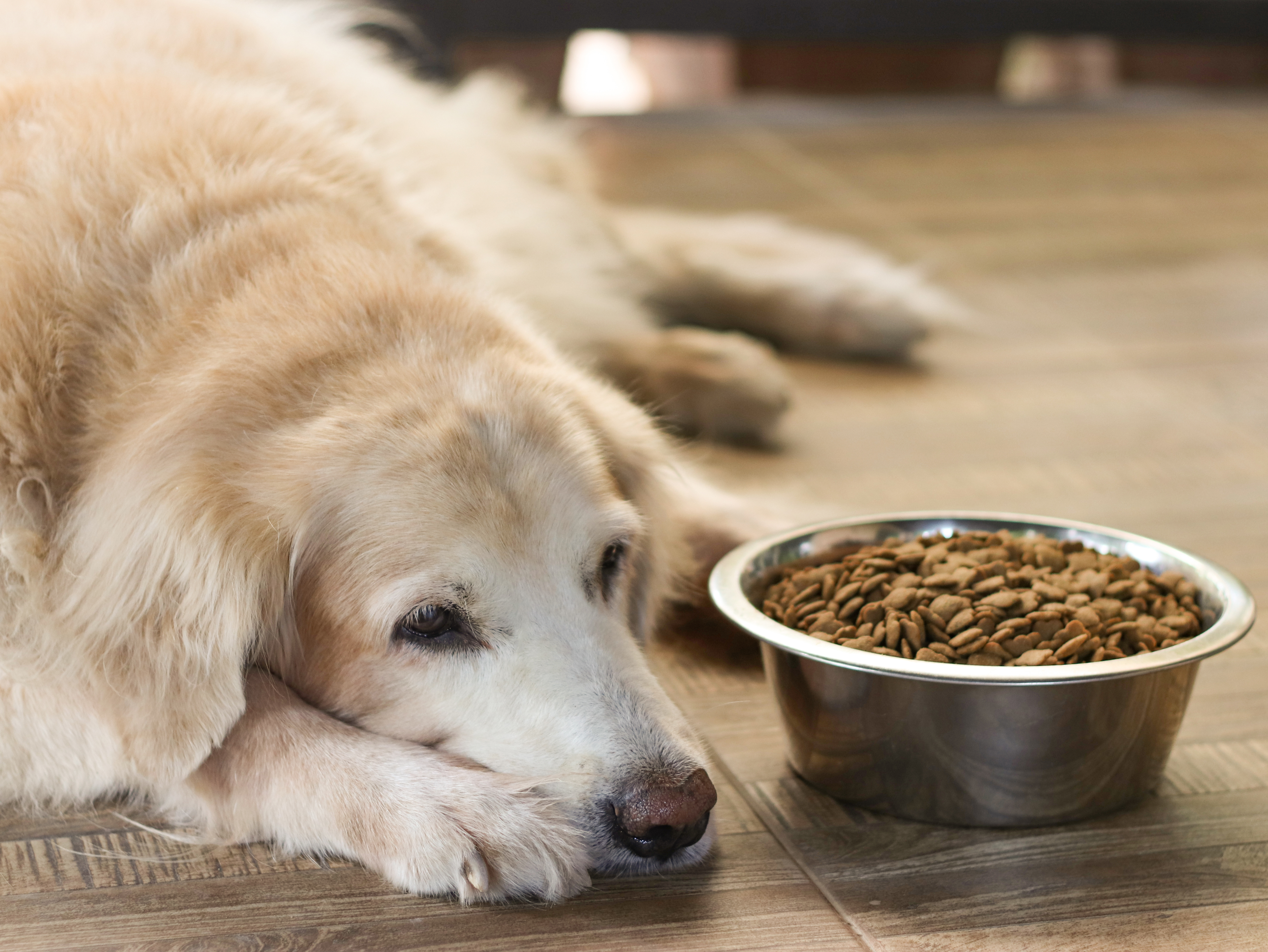
Changes in appetite and weight in dogs and cats are easy to overlook at first. A pet who eats a little less, begs for more food, or slowly gains or loses weight may not seem seriously ill. But these shifts can be early signs of health problems that deserve attention.
Common Causes of Appetite and Weight Changes
Appetite and weight changes can happen for many reasons. Some are minor and temporary, while others point to underlying medical concerns. Stress, aging, diet changes, and lower activity levels can all affect eating habits. In other cases, the cause may be dental disease, digestive problems, parasites, diabetes, thyroid disease, kidney disease, or chronic pain.
When Weight Loss or Weight Gain Is a Concern
Weight loss is often more concerning when it happens without a clear reason. If your pet is eating normally but still losing weight, that can suggest the body is not absorbing nutrients properly or is burning energy too quickly. Weight gain can also signal a problem, especially when it happens alongside fatigue or reduced mobility. Obesity increases the risk of joint strain, heart issues, and other long-term health concerns.
Differences Between Dogs and Cats
Cats can be especially good at hiding illness. A cat that starts eating less, becomes pickier with food, or loses weight may already be dealing with a medical issue. Dogs may show clearer signs, such as vomiting, diarrhea, increased thirst, lower energy, or a noticeable change in body condition.
Signs to Watch For
- Eating much more or much less than usual
- Sudden weight loss or steady weight gain
- Vomiting or diarrhea
- Increased thirst or urination
- Bad breath or trouble chewing
- Lethargy or reduced interest in play
- Changes in stool, behavior, or activity level
Why Prompt Veterinary Care Helps
Even small changes matter when they persist. Waiting too long can make treatment more difficult and allow the problem to worsen. Routine veterinary exams help identify issues early, often before symptoms become severe. Diagnostic testing, a physical exam, and a review of your pet’s diet and lifestyle can help determine what is causing the change.
At Greenwood Village Veterinary Clinic, we provide comprehensive veterinary care and works closely with pet owners to help them stay informed about their pet’s health needs and treatment options.
If your dog or cat has had a recent change in appetite or weight, schedule an evaluation with Greenwood Village Veterinary Clinic. Visit our office in Greenwood Village, Colorado, or call (303) 771-6304 today.


Hours
Monday 7:00 am - 6:00 pm
Tuesday 7:00 am - 6:00 pm
Wednesday 7:00 am - 6:00 pm
Thursday 7:00 am - 6:00 pm
Friday 7:00 am - 6:00 pm
Saturday 8:00 am - 12:00 pm
Sunday Closed
* Closed from 12:00pm-1:00pm for lunch Monday through Friday
Monday 7:00 am - 6:00 pm
Tuesday 7:00 am - 6:00 pm
Wednesday 7:00 am - 6:00 pm
Thursday 7:00 am - 6:00 pm
Friday 7:00 am - 6:00 pm
Saturday 8:00 am - 12:00 pm
Sunday Closed
* Closed from 12:00pm-1:00pm for lunch Monday through Friday

Powered by: 